- Teacher: Wendi Delaney
- Teacher: Martha Risser
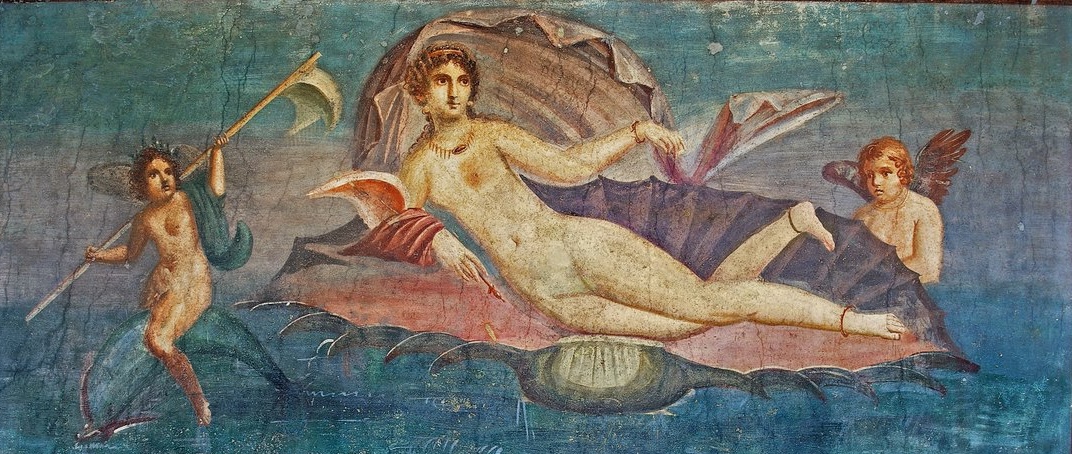
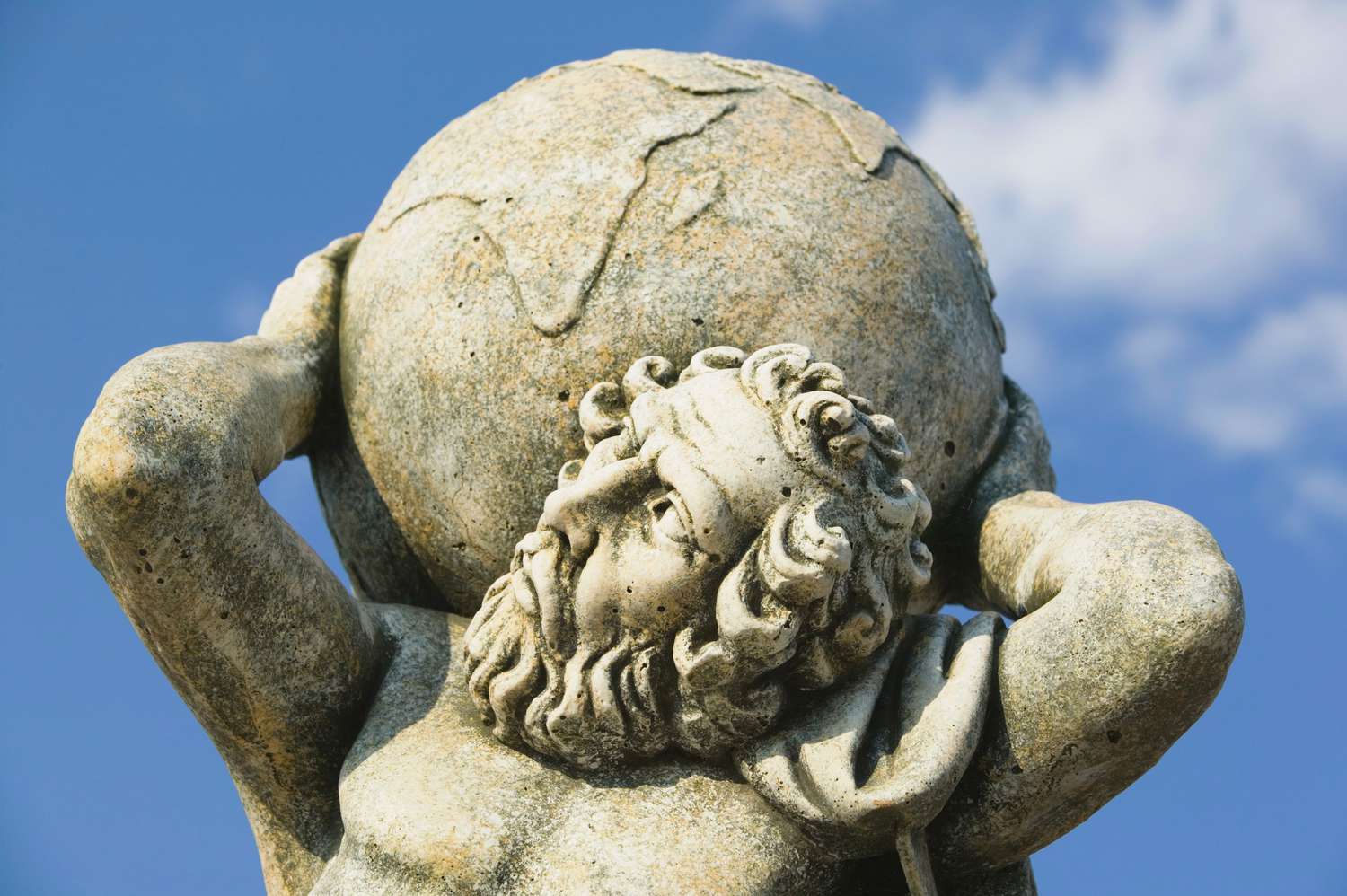
In this course, students will learn about myth traditions around the world, from Europe’s ancient Greece to south America’s Mayans. Throughout, we will use critical lenses to make sense of these myths and to compare them. We will examine the creation and destruction myths of Greece, Rome, the Hebrew Bible, Mesopotamia, the Norse (Vikings), indigenous North America, Mesoamerica, China and Africa; and myths about hero/trickster figures from Greece, India, indigenous North America, Africa, and the Norse (Vikings). Along the way, we will also discuss re-figurations of myths by modern artists and their relevance to us now.
- Teacher: Vincent Tomasso
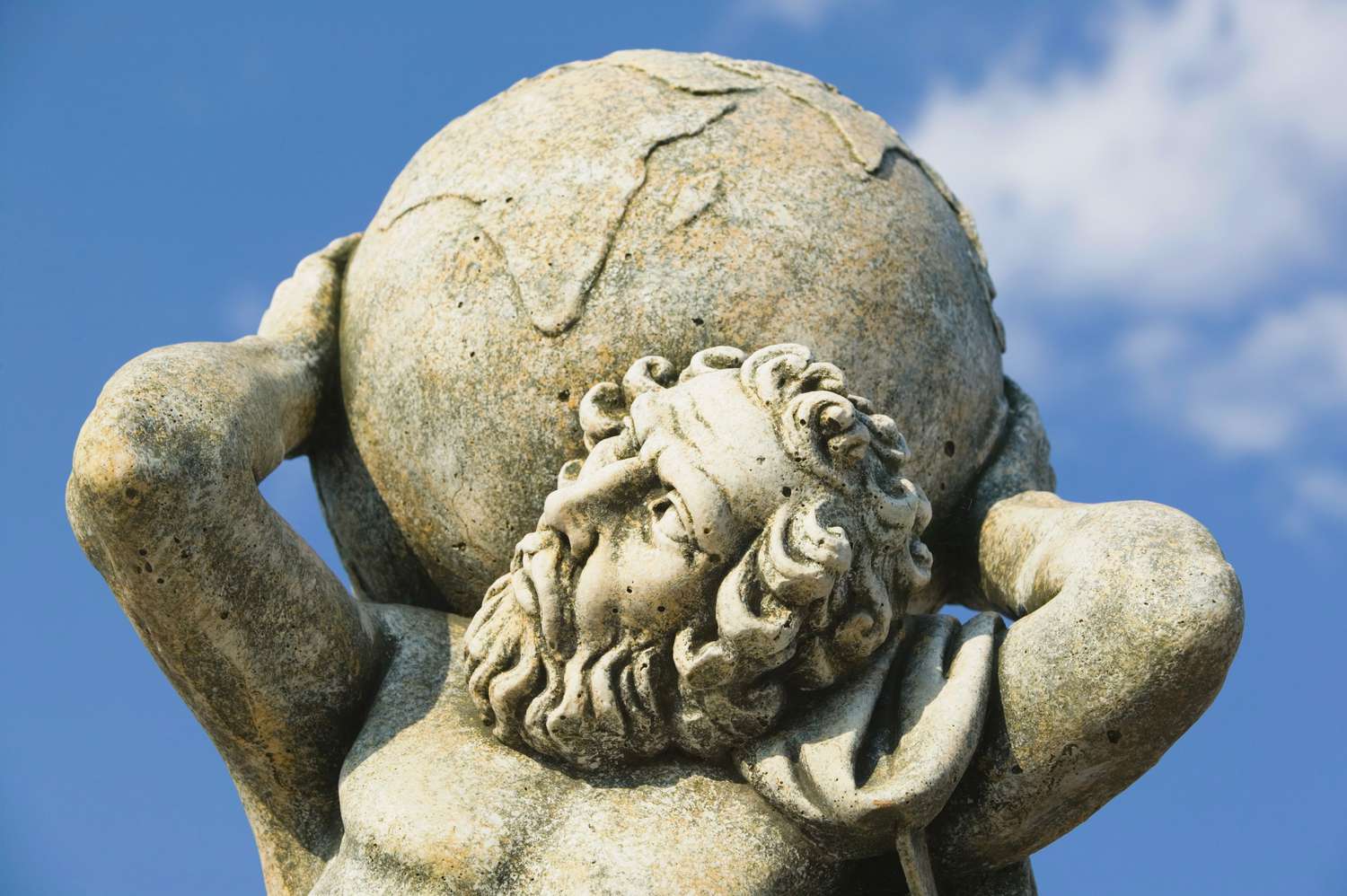
In this course, students will learn about myth traditions around the world, from Europe’s ancient Greece to south America’s Mayans. Throughout, we will use critical lenses to make sense of these myths and to compare them. We will examine the creation and destruction myths of Greece, Rome, the Hebrew Bible, Mesopotamia, the Norse (Vikings), indigenous North America, Mesoamerica, China and Africa; and myths about hero/trickster figures from Greece, India, indigenous North America, Africa, and the Norse (Vikings). Along the way, we will also discuss re-figurations of myths by modern artists and their relevance to us now.
- Teacher: Vincent Tomasso
- Teacher: Martha Risser
What do films and television programs set in ancient Greece say about us and our identities now? This course explores the relationship modern artists have constructed with ancient Greece in the cinema and on the television screen. The main focus will be on how contemporary Americans view, depict, and change ancient experiences based on differing circumstances of time and place. Topics for discussion include the distinction between “myth” and “history”, the depiction of gender, the representation of the divine, considerations of the audience, and the mechanics of adaptation.
- Teacher: Vincent Tomasso
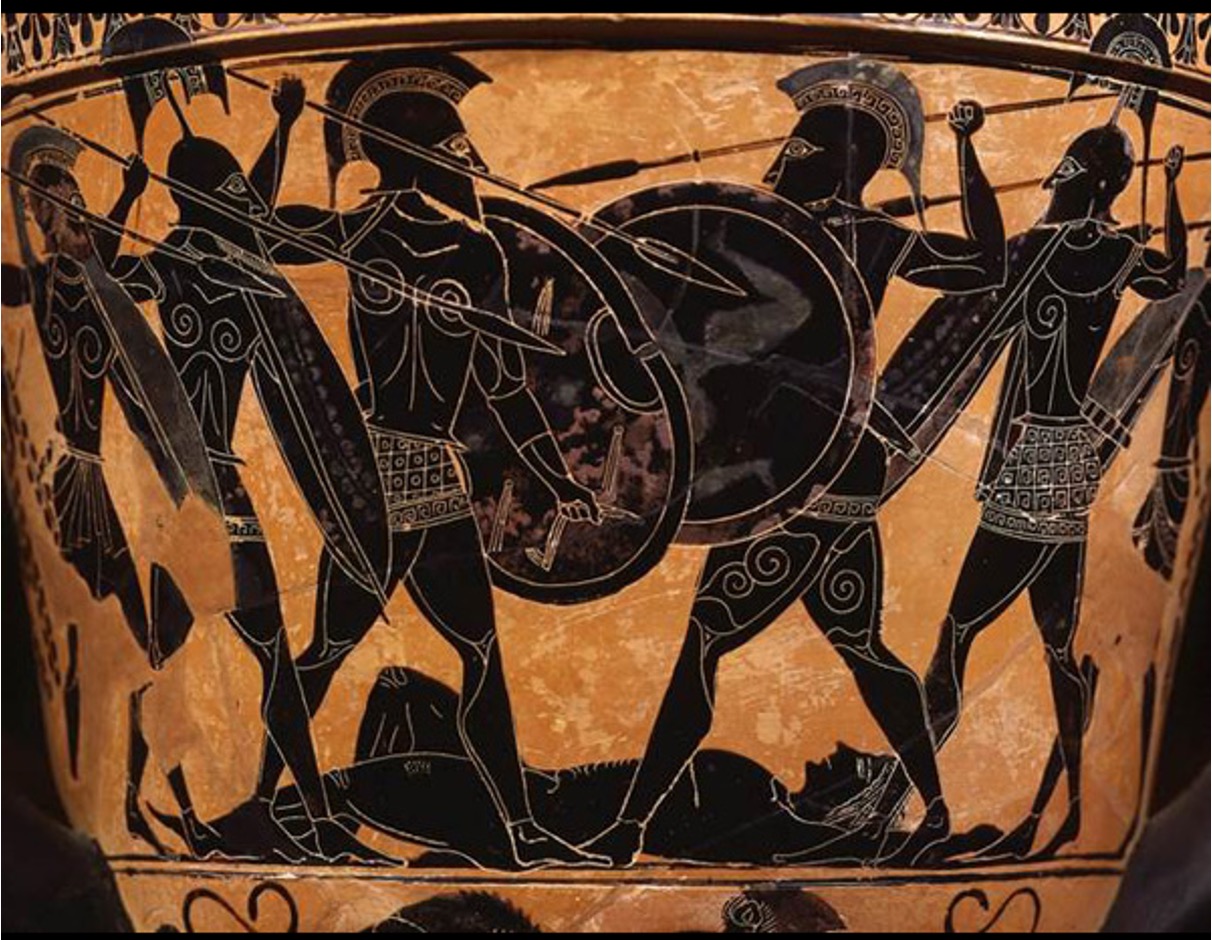
War was a constant for every member of ancient Greek society, whether they were fighting in it, reveling in conquest, or lamenting the aftermath. In this course we will investigate diverse ancient Greek viewpoints on war, which may include techniques of warfare, discussions of Homer’s epic poems the Iliad and the Odyssey, and plays by Sophocles, Euripides, and Aristophanes. We will also consider how modern thinkers have used these visions to interpret our experiences of war, as in therapist Jonathan Shay's Achilles in Vietnam and Odysseus in America and the Theater of War project.
- Teacher: Lily Mellitz
- Teacher: Vincent Tomasso
- Teacher: Lauren Caldwell