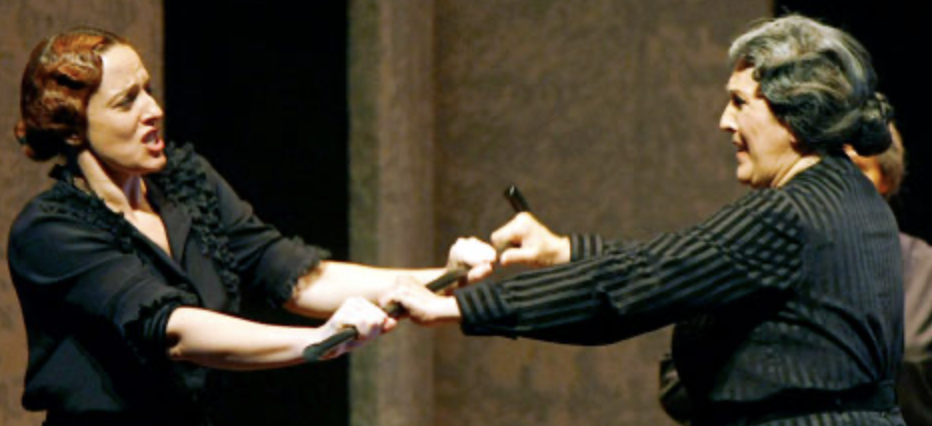
This course introduces students to the tragic imagination in 20th-century Hispanic literature through the theater of Federico García Lorca. In this course, we’ll explore some of his most iconic works—Blood Wedding, Yerma, Doña Rosita the Spinster, and The House of Bernarda Alba—as we unpack big themes like love, oppression, identity, and the fight for freedom.
A central focus will be understanding tragedy not only as a literary form but also as a vehicle for emotional expression, particularly in the years leading up to the Spanish Civil War. In addition to literary and historical analysis, the course integrates hands-on theater practices, encouraging students to explore Lorca’s work through performance, staging exercises, and collaborative scene work. These practical components will enhance students’ appreciation of dramatic structure, character embodiment, and the emotional power of live performance.
By combining critical study with creative engagement, the course offers a dynamic approach to Lorca’s theater, while also considering his lasting influence on contemporary Hispanic writers, artists, and performers grappling with enduring questions of justice, identity, and human dignity.